
Patient’s Guide to Maintenance & Aftercare
Summary
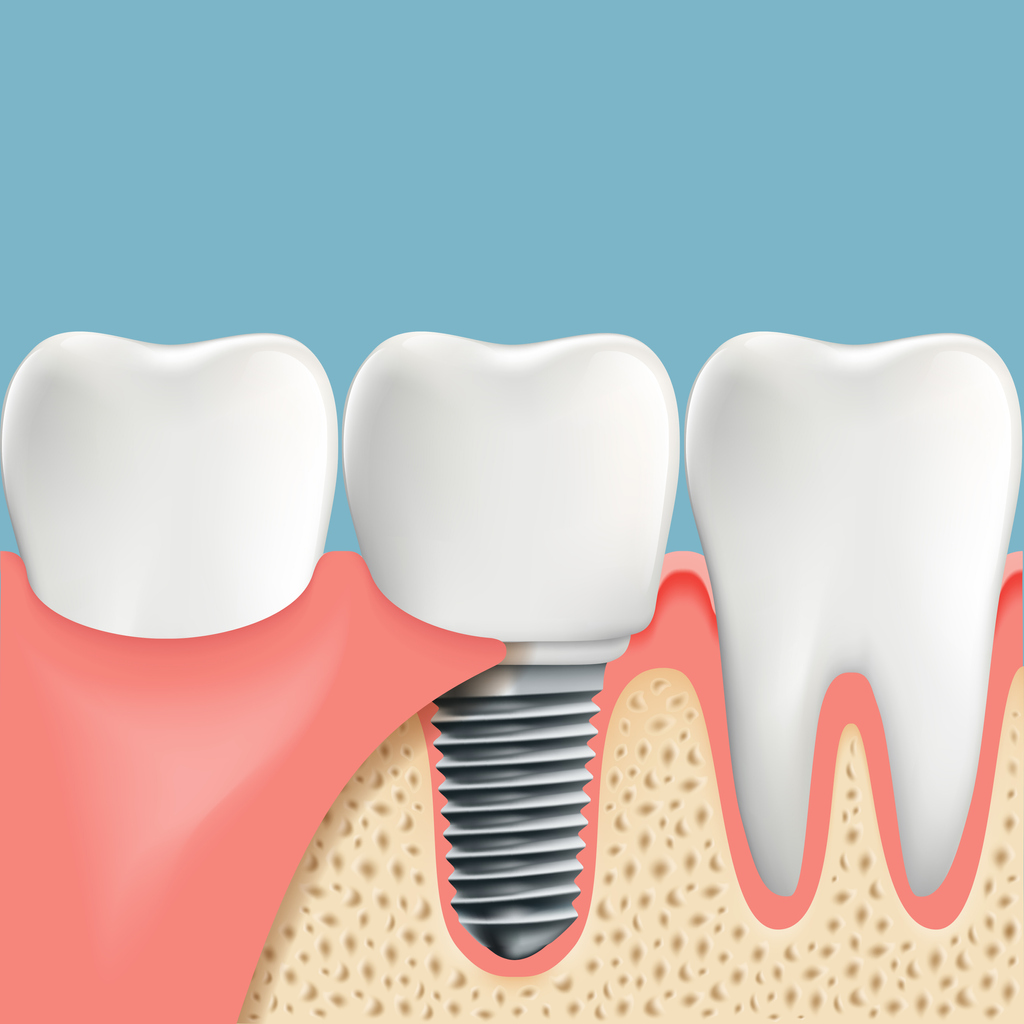
Dental implants can last decades with consistent care. Brush twice daily with a soft brush, clean under the bridge/around abutments using interdental brushes or superfloss, and use a non-abrasive fluoride toothpaste. Attend regular hygiene appointments, wear a nightguard if you clench, avoid smoking, and limit very hard or sticky foods. Seek a review promptly if you notice bleeding, tenderness, or looseness. Summarise blog with ChatGPT.
When it comes to the dental implant procedure, it’s overall very straightforward, with rarely any complications or issues.
The success of your implants will depend on how you care for them after placement surgery; therefore, our experienced implantologists have compiled the top aftercare priorities required following surgery.
Please note that no specialist care will be required; however, there are a few simple rules that need to be followed to ensure the healing period is as swift and comfortable as possible.
Book Your £80 Implant Consultation Today
Take the first step toward restoring your smile with a comprehensive dental implant consultation for just £80. Includes x-rays, bone assessment, and personalised treatment planning. Offer ends soon.
- Call: 020 8224 7562
- Email: [email protected]
- Book: Select date
Fast answers to quick questions:
- How long does the recovery process take? Up to six months. Minimum is 3 months.
- Will it be uncomfortable? It will not be painful, but the level of pain often reflects the amount of work taken. If you do not leave our offices without a prescription, the doctor likely feels your discomfort levels will be very low.
- When can you eat? An hour after surgery, away from the implant site.
- What can you eat? Eat soft foods as recommended. Avoid hot foods and drinks, and refrain from using a straw for 24 hours following surgery. Do your best to eat nourishing foods.
- Can I drive home? If you were put to sleep, we recommend that someone pick you up, as it may take some time for your alertness or coordination to be restored. Blurred vision is normal following anaesthesia.
- When will I get my teeth? This varies depending on the implant treatment; often, the lower jaw is ready for teeth three months following surgery, whereas upper jaw implants can take slightly longer. Temporary teeth are usually fixed during this time.

Implant placement – the day of the surgery
It’s essential to stay hydrated, but avoid consuming alcoholic beverages, hot drinks, and spicy foods.
Following the surgery, you will want to avoid rinsing your mouth – this is to prevent disturbing the surgical site.
It’s also vital that you do not poke or prod the area with your fingers or tongue for the remainder of the day.
At the implant site, a blood clot may form, which you should be cautious not to dislodge, as it could slow down the healing process.
Some patients are fine to return to work on the same day, while others may need to wait until the next day – your dentist will provide specific instructions on the day.
Do not worry about the stitches as they will be dissolvable and will disappear after seven days.
Some rules to follow:
- Do not spit, smoke, or use a straw
- Do not poke or prod the implant site
- Restrict your activities or physical exertions
- Eat only soft foods
What about long-term aftercare?
Once the healing period has come to an end and your new replacement teeth have been fixed, you will not need to follow any special aftercare rules.
The great thing about dental implants is that they look, function and mimic natural teeth incredibly well; therefore, you will need to look after them the same way you would with regular teeth.
To keep your mouth as healthy as possible, and therefore your implants, we recommend brushing your teeth twice a day, flossing, and visiting the hygienist regularly.

Dental implant success rates
To put you at ease, dental implant treatment is a meticulously planned procedure from start to finish.
Implant surgery is only performed by the best implant dentists, who have undergone specialised training.
Therefore, the success of our implant procedures is often very high, with average rates being over 96%.
To maintain this success, the outcome and longevity of your implants will rely entirely on good oral hygiene. For any help or questions, call our implant team on
020 8224 7562.
For any concerns or questions, please do not hesitate to contact the practice.