The Key Differences to Understand Between Composite Bonding and Dental Veneers
The main differences between composite bonding and veneers are their use, material and application.
We’d recommend composite bonding when you want to enhance your natural smile, but make small tweaks and changes to make it perfect. Veneers, on the other hand, are better suited to larger makeovers.
Dive deeper into the differences…

They both treat similar smile problems, but their purposes will vary slightly
Composite bonding and veneers typically address similar smile problems, but which one you choose depends on the extent of your problem. Composite bonding is typically recommended for minor and small changes – it’s not designed to transform your entire tooth. What do veneers fix?

Composite bonding is cheaper, but it only covers a portion of the tooth, not the whole thing
Both composite bonding and veneers are charged by the tooth – but for veneers, you’ll be paying for full tooth coverage, and with composite bonding, a particular portion (typically the smile edges).
Composite veneers will cost more because they cover the entire tooth, and porcelain veneers will be the most expensive because they also cover the entire tooth and are hand-made in a dental laboratory.
All treatments are available via dental finance, whether 0% over the first 12 months, or 9.9% APR up to 60 months.

Composite bonding is applied in one appointment, and veneers that use porcelain might take a little longer
Composite bonding uses a composite resin material that’s applied in layers to the tooth to cover imperfections, which means it can be applied (often without any local anaesthetic, drilling or injections) in one appointment (the same as composite veneers).
Porcelain veneers mimic the structure of a natural tooth and are like thin shells (like contact lenses) that are adhered on top of your natural teeth.

They can both be used for full smile makeovers, but veneers are recommended for bigger changes
It’s not uncommon to see both cosmetic treatments used for a full smile makeover. You can use composite bonding on a full arch of teeth or your full smile to improve the size and shape of your teeth. However, if you have more problematic issues with your smile, where several smile problems exist at once and need a full overhaul, veneers will be the better choice, while still keeping your smile natural and fresh.
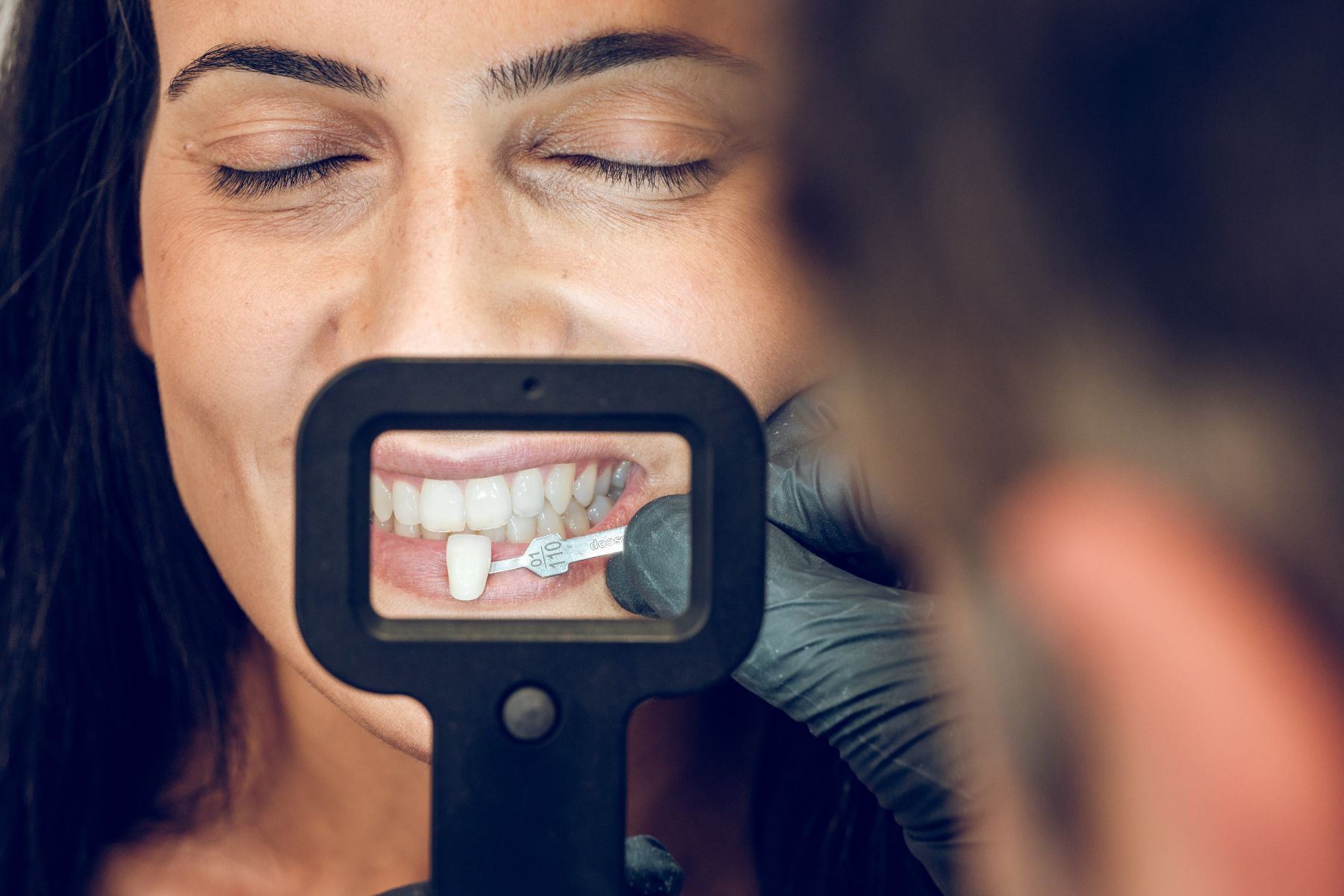
The application and preparation process will vary slightly, especially if you opt for porcelain veneers; if you opt for composite veneers, it will be the same
Composite bonding and composite veneers can be favoured due to their minimally invasive approach to smile makeovers – often requiring little to no enamel removal, making the procedure completely reversible. Certain porcelain veneers can also offer minimal to little preparation, but most types will require a slight etching, making them a lifelong commitment.

Composite bonding will require more repairs and renewals, as they don’t last as long as traditional veneers
Porcelain veneers are the gold standard for making lasting changes to your smile, as they can last up to 20 years. Composite products, like bonding or veneers, will require more frequent renewal and, unfortunately, do not offer the same properties as porcelain, such as stain and chip resistance.

Veneers will offer a better aesthetic outcome
Composite bonding is typically known for its subtle changes and results, while porcelain veneers might be more noticeable but take the crown for the most natural and lifelike transformations.