
What is a Dental Bridge?
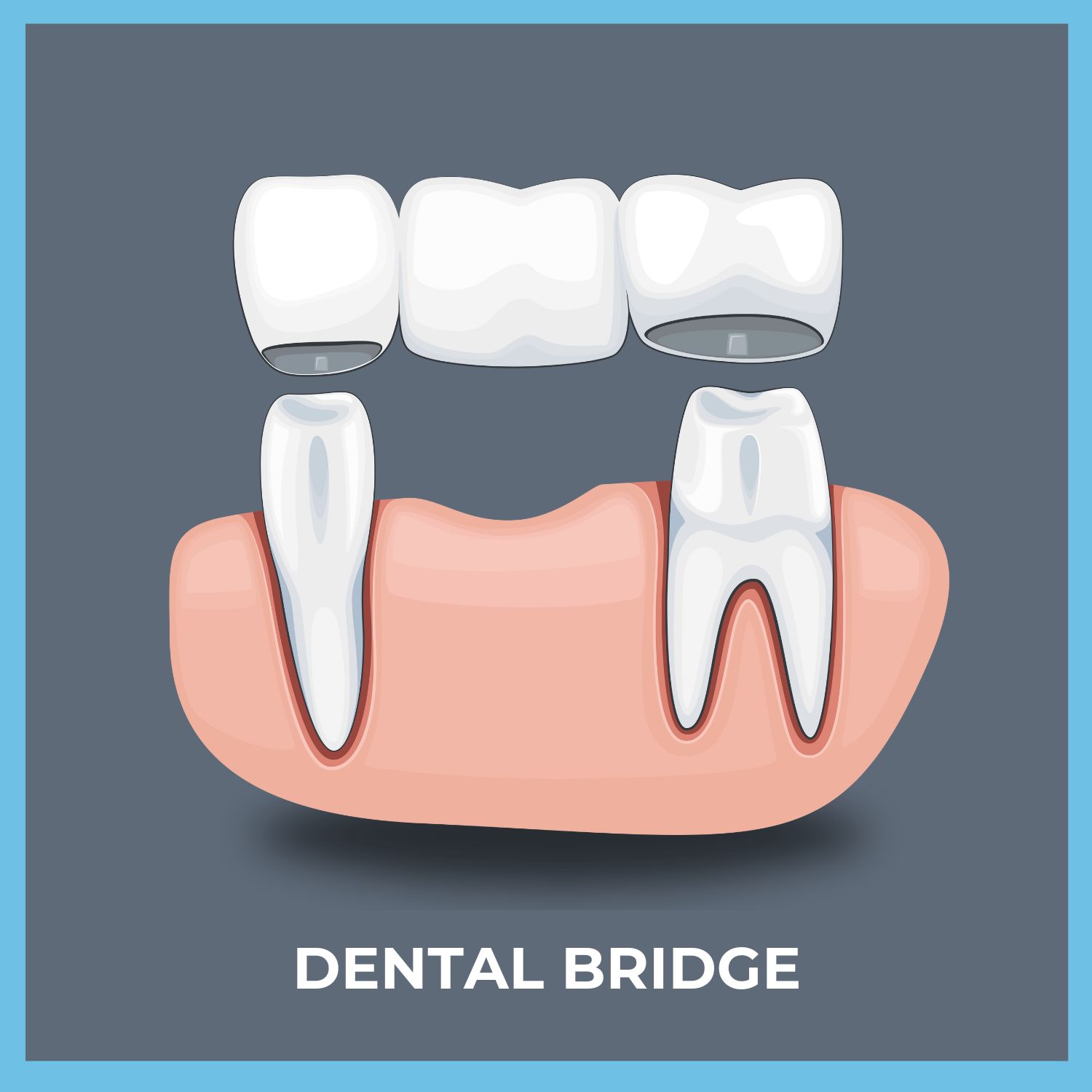
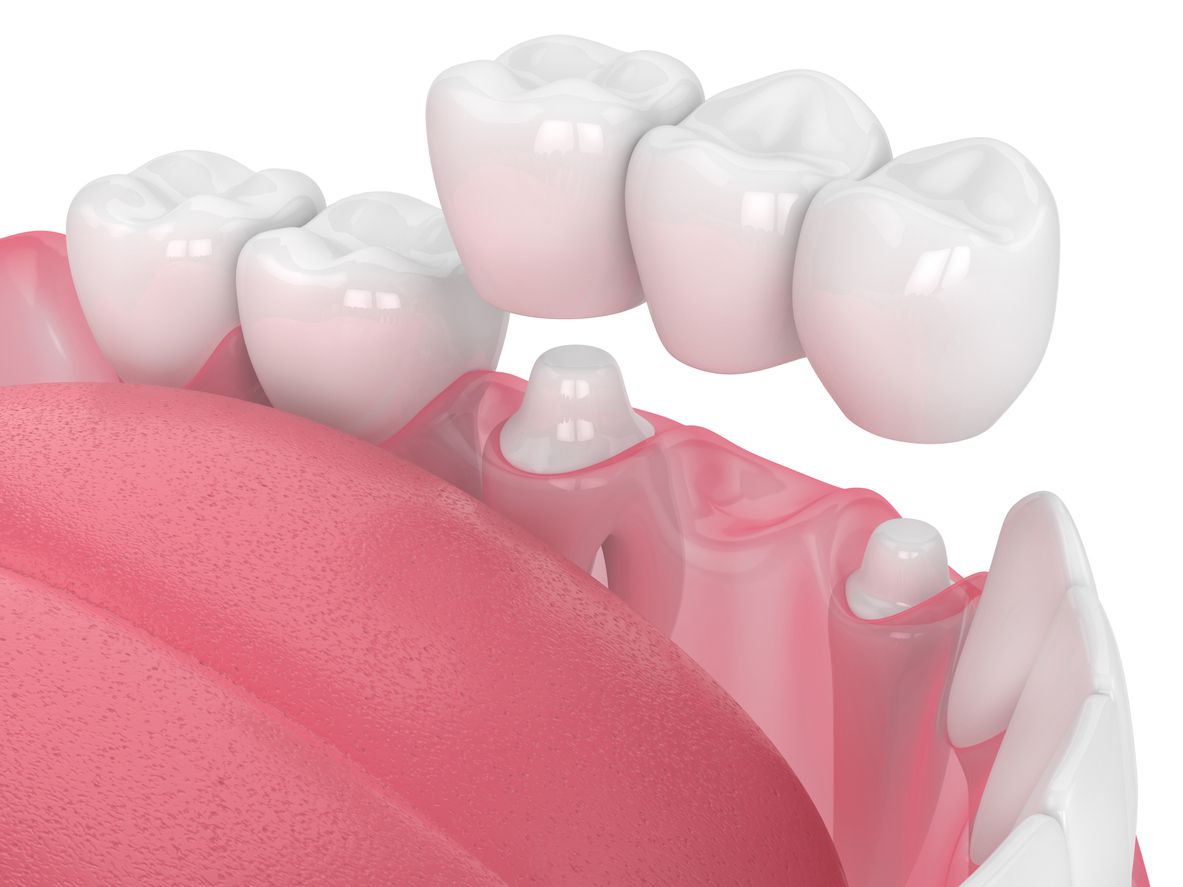
If you have a gap in your mouth caused by tooth loss and natural teeth remaining on either side, a dental bridge is a prosthetic device that bridges this gap in your mouth. It effectively replaces the missing tooth with a false one that is bonded to the natural teeth on either side.
- What are they used for? Replacing one or more missing teeth in a row.
- How much do they cost? Dental bridges cost from £835.
- Is a dental bridge permanent? No.
- How long do they last? Between 5-10 years, unless opting for implant-supported types.
How are they defined? Dental bridges are traditional tooth replacement solutions. They are fixed prosthetic devices that replace one or more missing teeth by bridging the gap between the two or three teeth. They consist of artificial teeth known as pontics anchored to adjacent natural teeth or dental implants.

A dental bridge is composed of several components, including:
- Pontics: The false teeth of the bridge that replace the missing teeth. The pontics can be made from various materials like porcelain, gold, alloys or a combination of all materials to ensure strength, durability and a natural appearance.
- Abutments: Describes the teeth (or dental implants) on either side of the gap, which act like anchors for the bridge to attach to. Using traditional dental bridges will involve the abutment teeth being capped with dental crowns to provide a more stable base for the pontics.
Types of dental bridges to choose from
There are three different types of dental bridges, some offering more benefits than others.

Traditional bridges are the most common type. They involve creating a crown for the tooth on either side of the tooth and using a pontic in between to bridge the gap. These bridges are usually made from porcelain fused with metal or ceramic. Traditional bridges typically last up to 10 years and cost from £1,039.

Cantilever bridges are recommended to replace missing teeth. They place a crown on only one tooth on one side of the gap, lasting between 5 and 7 years.
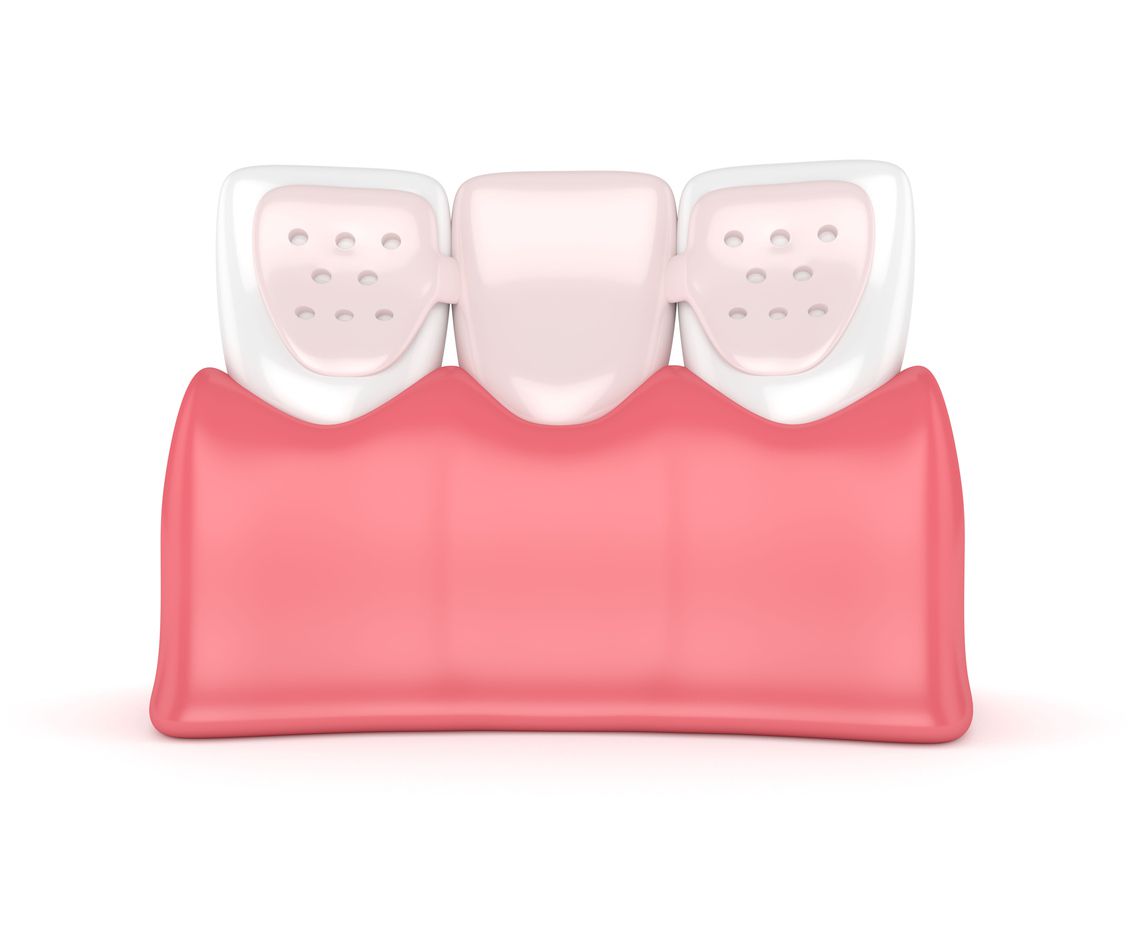
Maryland-bonded or resin-bonded bridges involve a metal or porcelain framework with wings bonded to the back of the adjacent teeth. Because of this, they require less alteration of the neighbouring teeth compared to traditional bridges, which require otherwise healthy teeth to be filed down for a crown to sit on top. A Maryland bridge costs £899 and is one of the most affordable.

Lastly, implant-supported bridges are the superior option as they are anchored by dental implants rather than dental crowns or metal frameworks. Dental implants replace the missing tooth by implanting an artificial tooth root, which holds the dental bridge in place. This type of dental bridge is considered the most stable, secure and longest-lasting. Costs begin from £2,100.