Composite Bonding Typically Lasts 5-7 Years
Composite bonding is a great cosmetic procedure to make small but significant changes to your smile. But sadly, the changes aren’t long-lasting or permanent.
Just like a dental filling, composite bonding will require replacement, and because it uses a composite resin applied directly to the tooth in layers, it is more susceptible to staining and chipping.

You can’t have the good with the bad
Patients choose and love composite bonding because it’s non-invasive, applied in one appointment, pain-free and completely reversible if they change their mind or adapt their smile in line with trends later.
For a material like this to be so adaptable and flexible, it, at the same time, cannot be permanent or long-lasting. Therefore, you can’t love the benefits without accepting the drawbacks.

But the good news is that it’s cheap and simple to repair and renew
Just as easy as applying composite bonding for the first time (often in one hour, chairside, with no injections or anaesthetic), it’s even quicker and easier to repair or renew. Plus, the costs to renew won’t be overwhelming, unlike what they might be if you need to repair or replace a porcelain veneer in the future.
Composite bonding costs from £369 per tooth, so, depending on the extent of your changes, it will be affordable to renew and refresh your smile every 10 years – and if finances are tight around this time, you can always use dental finance to spread the cost.

Plus, you can extend its lifespan by taking good care of your teeth
It’s completely possible to extend the lifespan of composite bonding – in some cases, up to 10 years – it just won’t feel as fresh as when you first had it done. Just like your natural smile would have gone through some changes in colour and wear over a decade, you can expect the same outcome from composite bonding.
Making your dental bonding last as long as possible
- Maintain a good oral hygiene routine – brush and floss twice a day, which will help maintain the vibrancy in colour and defend against decay.
- Regularly attend the dentist, don’t skip or avoid appointments and ensure you see the hygienist twice a year, as your dentist can help keep your smile fresh and maintained as you go along.
- Avoid habits that stain your teeth, for example, coffee and red wine can stain your teeth and your bonding, and even smoking will cause the resin to turn yellow.
- Avoid chewing on hard objects.
Not taking good care of your composite bonding will, of course, shorten its lifespan. For example, if you’re in the habit of using your teeth as tools regularly, like chewing pens, or have poor oral hygiene, then you could just as well expect a lifespan of around 3 years. The results will depend on you – not the quality of the composite resin.
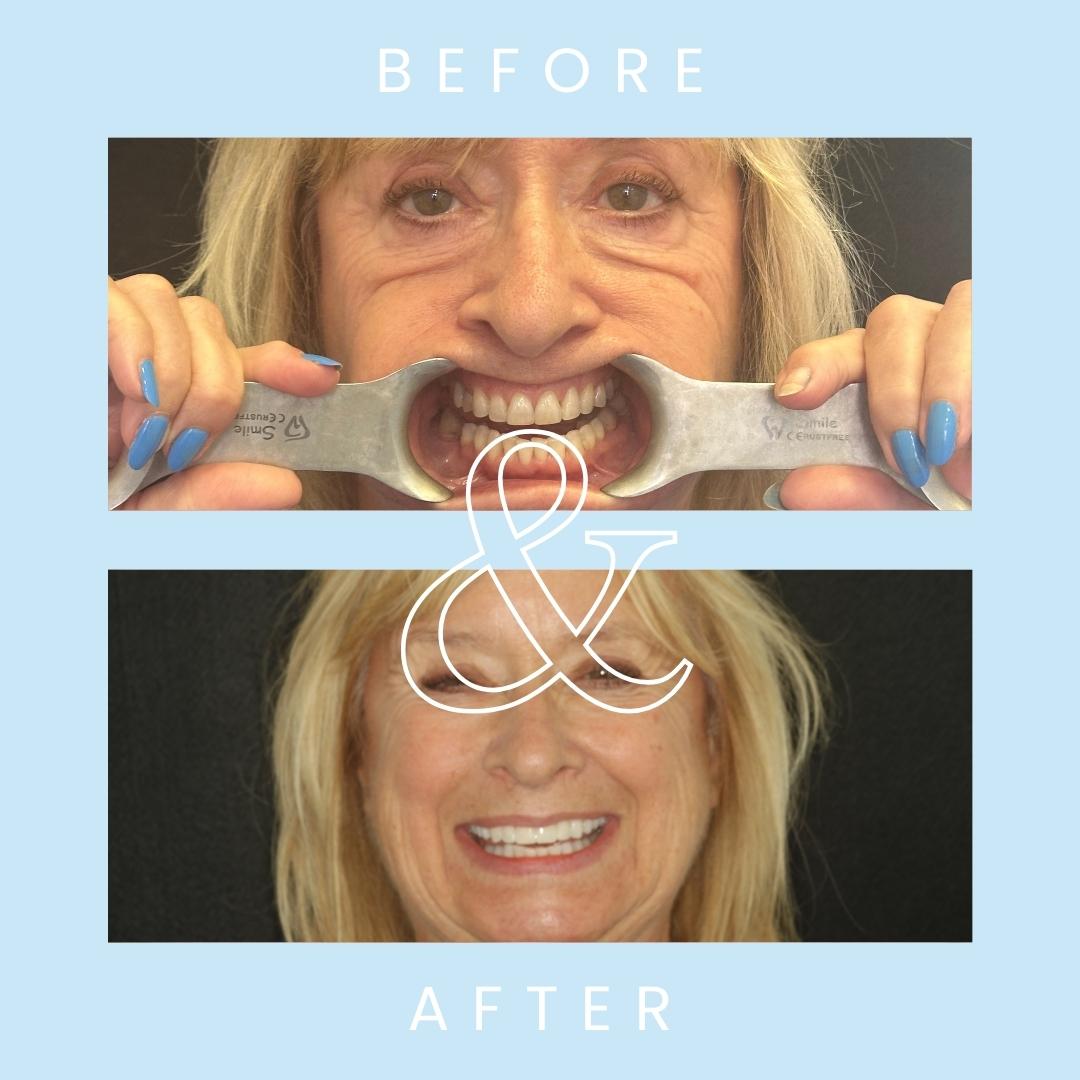
If you want a low-maintenance smile that’s resistant to chipping and staining, you’ll want to opt for porcelain veneers instead
Porcelain veneers reign supreme because not only do they mimic natural teeth so perfectly, but they’re stronger than your natural enamel, making them less likely to chip and are stain-resistant too. So, if you want a smile makeover that lasts up to 10 years longer than composite, consider dental veneers instead. See costs.