
General lifespans of dental crowns
Summary
Dental crowns typically last 10–15 years, and many exceed 15–20 with excellent care. Longevity depends on material (e.g., porcelain, zirconia), bite forces, tooth preparation, hygiene, and habits like clenching or nail-biting. Brush and clean between teeth daily, wear a nightguard if you grind, and attend regular check-ups. See your dentist promptly if the crown feels high, loose, or sensitive. Summarise blog with ChatGPT.
How long a dental tooth crown lasts will depend on several factors, not to mention the type of dental crown material you opt for, as some types will boast better durability than others.
- On average, you can expect dental crowns to last anywhere from 5 to 15 years.
- Porcelain crowns last 5 to 15 years, depending on their oral hygiene and health.
The dental crowns that last the longest tend to be made from metal, rather than more aesthetically pleasing porcelain crowns, which perfectly match the colour of existing teeth.
Resin crowns, on the other hand, are cheaper and offer the shortest longevity among the lineup, but like porcelain, they can match the colour of existing teeth.
Book an appointment for crowns:
- Call: 020 8224 7562
- Whatsapp: 073683080207
- Email: [email protected]
- Book: Check-ups and free consultations online
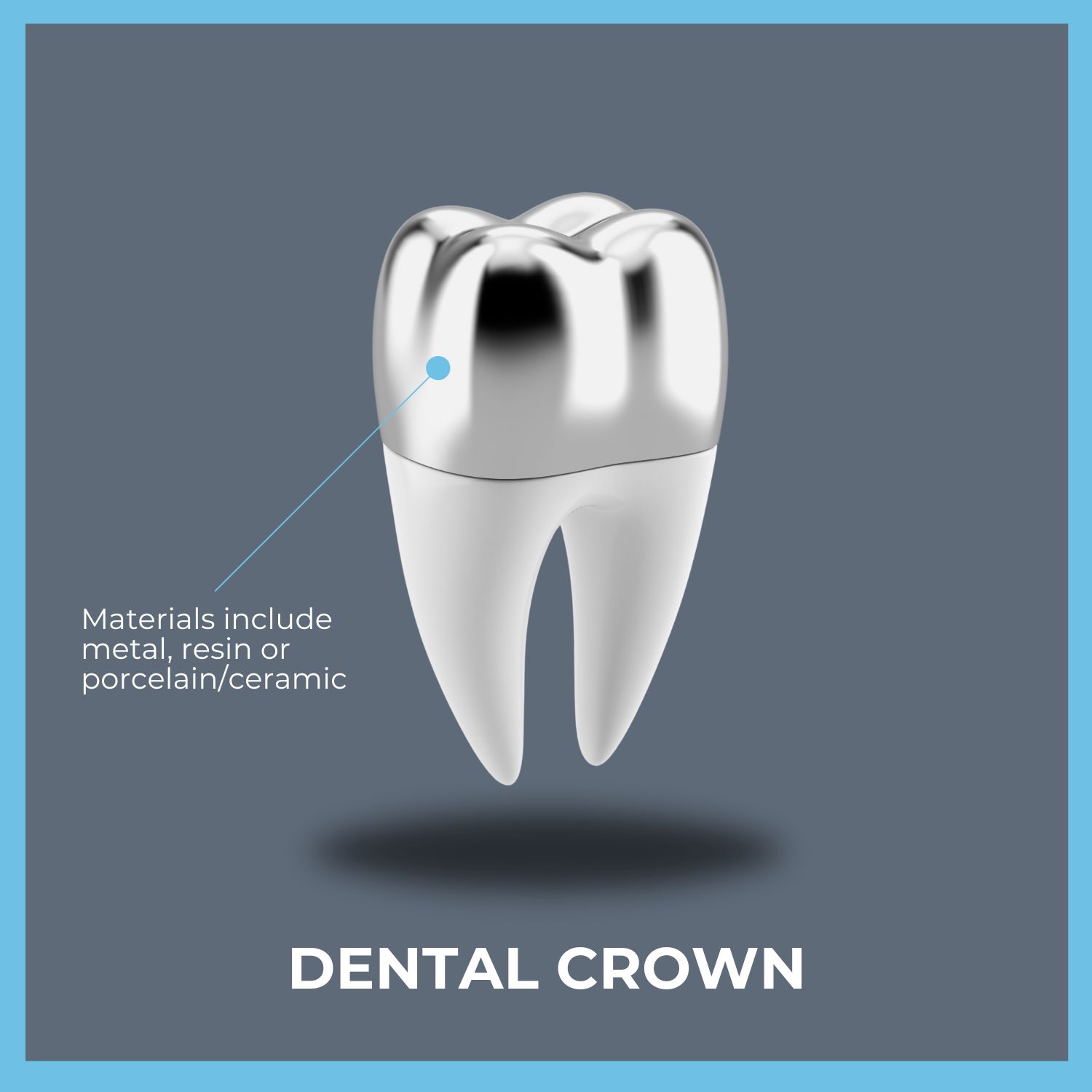
Dental crown types and durability
Porcelain (Ceramic) Crowns
- Matches tooth colour
- Lasts from 5–15 years
Porcelain-Fused-to-Metal (PFM) Crowns
- Stronger than all-porcelain
- Lasts from 10–15 years
Metal Crowns (Gold or Alloy)
- Extremely durable but not as nice looking
- Lasts 20+ years
Zirconia Crowns
- Very strong, natural aesthetics, and resistant to wear.
- Lasts 10–20 years
Resin Crowns
- Cost-effective but less durable
- Lasts 5–7 years
We offer same-day dental crowns (no additional wait times due to an on-site milling machine that uses digital technology to make dental crowns within the hour) from £1,025.

Factors that affect longevity
The material the crown is fabricated from, where in the mouth your dental crown is placed, and how well you care for it will all determine how well your crown holds up.
For some patients, opting for better, natural-looking crowns made from materials like porcelain might mean shorter lifespans.
For example, if you have a dental crown placed on visible teeth, you might have to compromise on durability for aesthetics and vice versa if you have a crown placed in the molars.
Additionally, once the dental crown has been placed, its survival depends on your oral hygiene, diet, and how well you care for the fake tooth moving forward.
Simply put, the better you look after your teeth and the more frequently you have check-ups to prevent decay, the longer your crown will serve you.
Sometimes, patients might never need their dental crowns replaced, but it all depends on their aftercare level and lifestyle.
Your dental crown might still be sound, but it needs replacing because of aesthetics
Sometimes, your dental crown might still serve its purpose, but it requires replacing because it loses its natural-looking appearance. For example, porcelain-fused-to-metal crowns can dull and wear over time, with the metal base of the crown coming through, giving your tooth an overall greyish appearance. Patients often feel it’s time to replace their crowns when this happens.
Dental crowns won’t last as long if…
- You carry out poor oral hygiene
- Your dental crown begins to decay
- Your dental crown has become damaged or cracked
- The underlying tooth develops an infection
- The dental crown is ill-fitting or poorly made
- The dental crown feels loose in the mouth